
How Longer Days and More Sunlight Can Help The Anxious Girlies
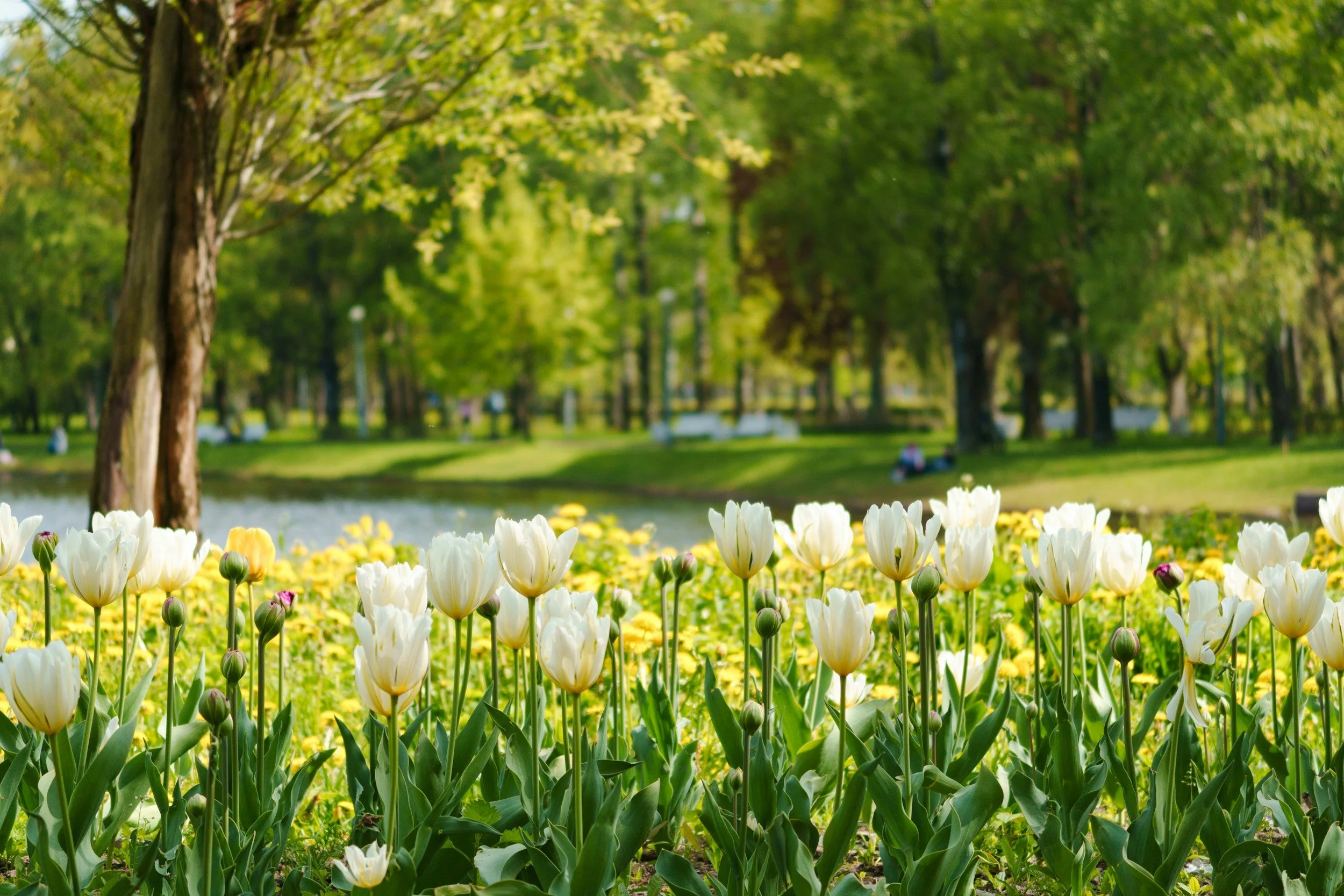
At some point, you start noticing that it’s still light out later than it used to be, like you check the time expecting it to be dark and it’s not, or you realize you’re not as exhausted at 5pm as you were a few weeks ago, even though your routine hasn’t really changed.
It’s a small shift, but it adds up in ways that are easy to overlook.
Because that extra daylight isn’t just making your evenings feel longer, it’s quietly changing how your body and brain move through the day, especially when it comes to your energy levels, your sleep, and how reactive you feel overall.
One of the biggest shifts happens with your internal clock, which is constantly trying to sync itself with your environment, and when you’re getting more natural light, especially earlier in the day, it helps regulate that rhythm in a way that makes your energy feel more stable instead of constantly up and down.
And when your sleep starts to feel more consistent, even slightly, it tends to have a ripple effect on everything else, including how your brain processes stress and how reactive you feel throughout the day.
There’s also something about natural light that signals safety to your brain in a way that’s easy to overlook, because darker, shorter days tend to keep your system in a slightly more alert state, while brighter, longer days can help lower that baseline tension without you actively trying to do anything.
It’s subtle, but noticeable over time.
And while sunlight isn’t going to solve anxiety completely, it can make your starting point feel a little more manageable, which often makes everything else easier to navigate.
What makes this more useful is realizing you don’t need to overhaul your routine to benefit from it, because even small amounts of natural light throughout the day can make a difference.
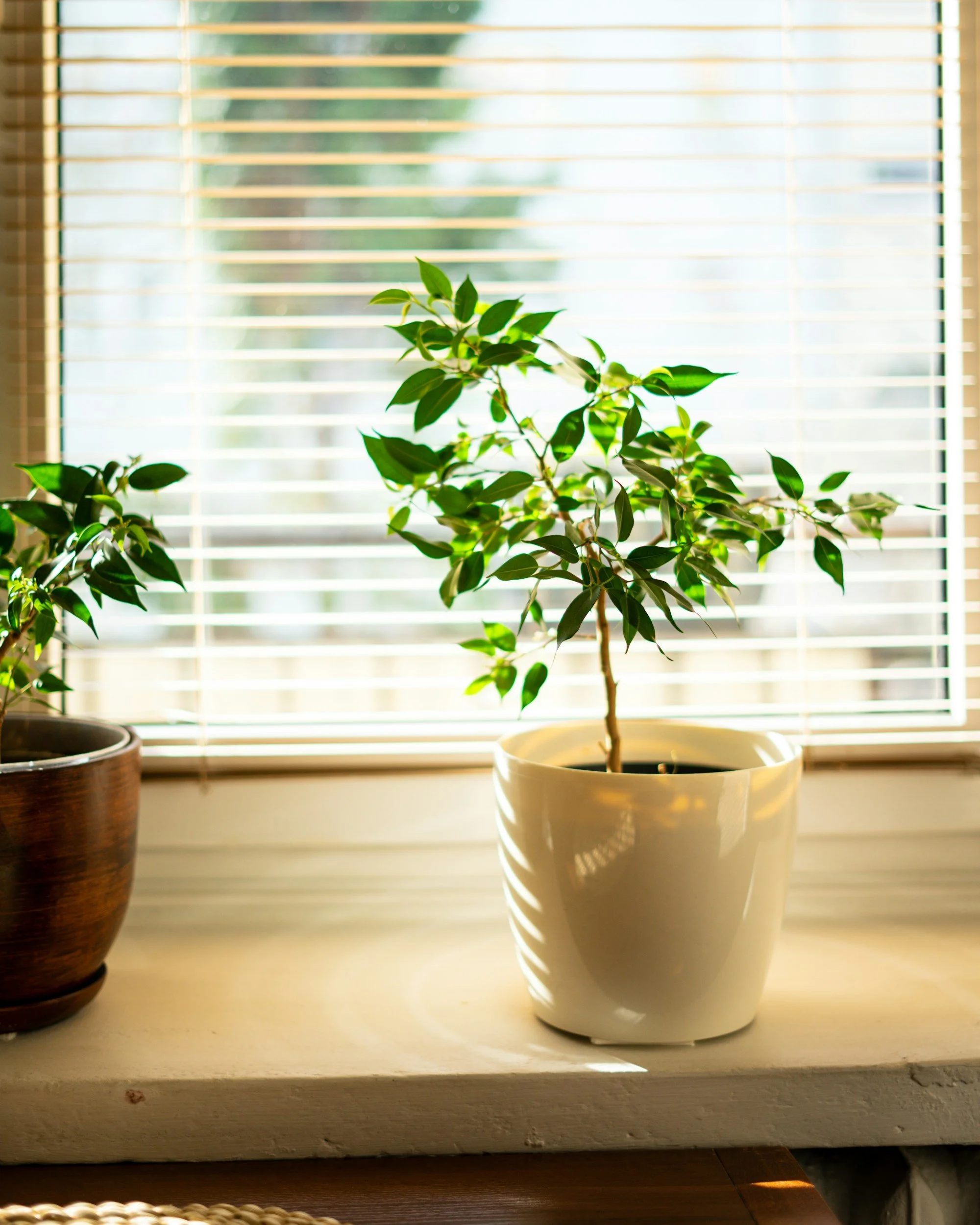
That might look like opening your blinds earlier in the morning instead of keeping your space dim, sitting near a window while you work, or stepping outside for a few minutes during the day instead of staying indoors the entire time.
It doesn’t have to be a long walk or a full routine change, just a small shift that lets your body actually register that light is there.
And the more consistent that exposure becomes, the more your system starts to adjust in a way that feels steadier without you having to think about it constantly.
There’s also something to be said about how light changes your perception of your environment, because spaces tend to feel more open, more breathable, and less heavy when they’re naturally lit, which can make a difference in how you experience your day overall.
It’s not just about productivity or energy, it’s about how your day feels.