
Let the Season Change You: Using Fall to Break Old Habits
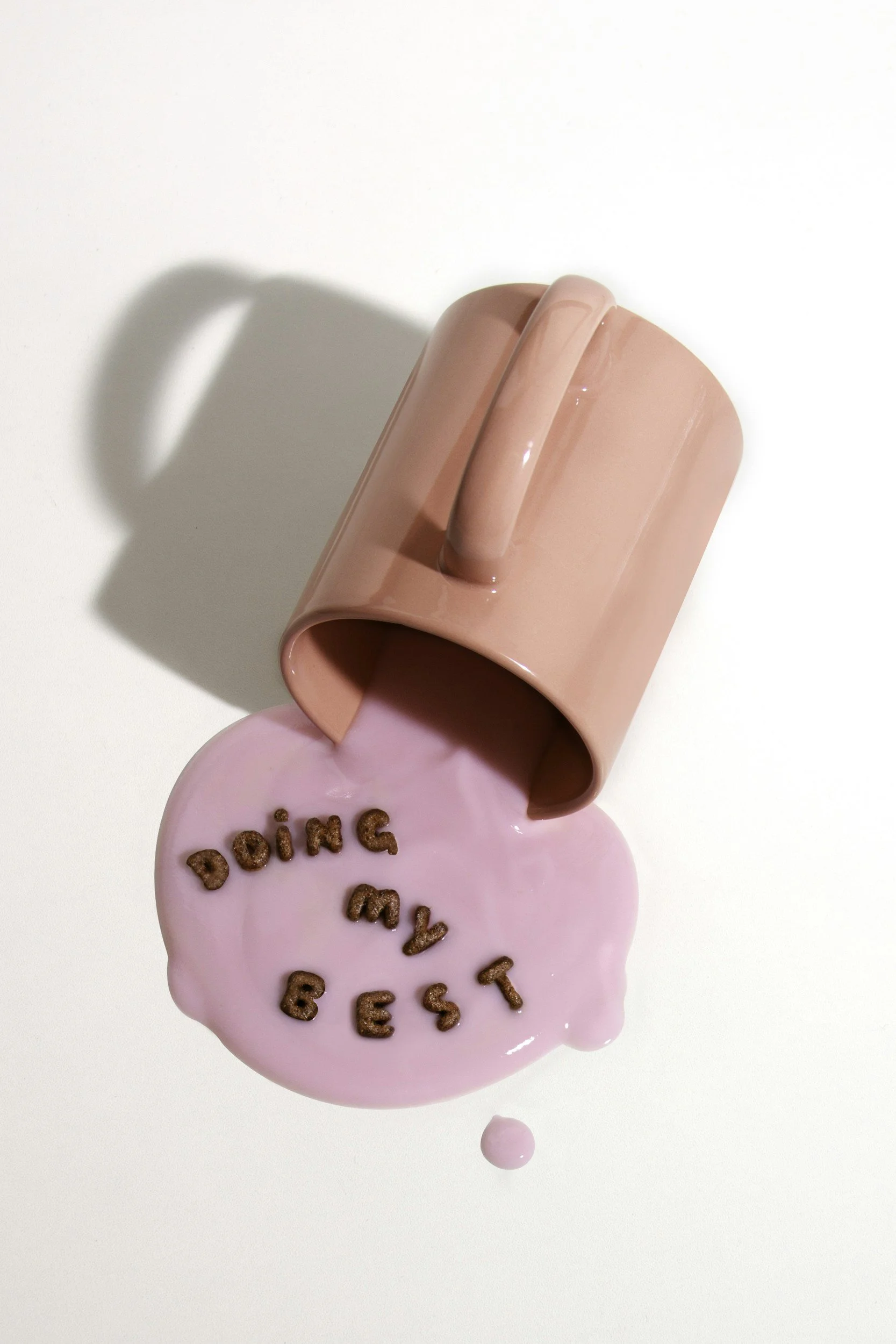
There is something about the transition from summer to fall that feels more significant than simply moving from one season to another. The days become shorter, the air feels different, and suddenly we are trading spontaneous summer plans for familiar routines. Even if you have not been inside a classroom for years, September can still create that back-to-school feeling—the sense that it is time to get organized, buy a fresh notebook and become a slightly more put-together version of yourself.
January may officially begin the new year, but fall often feels like the more natural time for a reset.
Summer tends to be wonderfully inconsistent. Bedtimes get pushed back, weekends fill up and regular responsibilities are squeezed between vacations, patios and attempts to enjoy every sunny day. Some routines loosen because we are having fun. Others quietly disappear because we keep telling ourselves we will get back to them eventually.
Then fall arrives and gives us an opportunity to ask: Do I actually want to return to the routine I had before summer?
Because getting “back into a routine” does not have to mean returning to your old one. Maybe your old routine left you exhausted. Maybe it involved reaching for your phone the second you woke up, spending every evening recovering from work or putting off important tasks until they became significantly more stressful. Maybe it worked for an earlier version of your life but no longer fits the person you are now.
A changing season gives us permission to interrupt those patterns.
Decide What You Want to Leave in Summer
Not every bad habit is dramatic. Sometimes it is simply the easiest response to a familiar situation.
You finish work, sit on the couch and open your phone. You feel anxious, so you avoid the task making you anxious. You stay up late because nighttime feels like the only part of the day that belongs entirely to you. You tell yourself you will start tomorrow, and tomorrow somehow keeps moving.
The more often a routine repeats, the less intentional it becomes. Eventually, we stop recognizing it as a choice and begin treating it like part of our personality.
“I’m just terrible in the mornings.”
“I never stick with anything.”
“I’m always going to procrastinate.”
But many of these behaviours are not fixed personality traits. They are routines that have become familiar—and familiar does not necessarily mean helpful.
Before adding several new habits, decide what you do not want to carry into fall. What has been making your days harder than they need to be? What keeps taking your time without giving much back? Which part of your routine consistently leaves you feeling rushed, anxious or disappointed in yourself?
Choose one pattern that you are ready to stop repeating.
Try to approach it with curiosity instead of criticism. A habit usually exists for a reason. Procrastination may provide temporary relief from anxiety. Staying up too late may give you a sense of freedom after a demanding day. Constantly checking your phone may help you avoid uncomfortable thoughts.
Understanding what a habit does for you makes it easier to find a healthier replacement.
Create a Routine That Fits Your Actual Life
A new routine should support your real life, not the imaginary version of you who wakes up at 5 a.m., completes a twelve-step morning routine and somehow finishes half of her responsibilities before sunrise.
That version of you sounds impressive, but she also sounds tired.
Instead, think about how you want your days to feel this fall. Calmer? Less rushed? More creative? More intentional?
Then choose one small routine that supports that feeling.
If you want calmer mornings, prepare one thing the night before. If you want to feel less consumed by work, create a short transition ritual when you get home. Change your clothes, make tea, take a shower or go for a brief walk. If you want more time for creativity, give it a specific place in your week instead of hoping inspiration appears whenever you happen to be free.
Small routines can sound unimpressive, which is exactly why they are often sustainable. They do not require you to wake up tomorrow as a completely different person. They only ask you to make one part of your day slightly easier.
Make the New Habit Feel Good
We often treat new habits like punishments for not already being the person we think we should be. Exercise becomes a punishment for our bodies. Budgeting becomes a punishment for spending. Organization becomes a punishment for being messy.
It is difficult to stay consistent with something that feels like a daily reminder of your shortcomings.
Instead, make the routine something you genuinely want to return to. Use the cozy parts of fall in your favour. Read with a warm drink. Take an evening walk while the leaves are changing. Reset your space with a candle burning and a comfort show playing in the background. Keep a notebook nearby to empty your mind before bed.
Yes, the candle is technically unnecessary. That does not mean it is not helping.
If a routine feels comforting or satisfying, you are more likely to repeat it. You are allowed to make ordinary responsibilities feel a little special.
You Can Always Begin Again
The beginning of a season can make change feel exciting, but excitement will not be present every day. Eventually, the new notebook will no longer be perfectly clean, the weather will become less charming, and the routine will require actual effort.
There will be days when you return to an old pattern because it is easier. That does not mean you failed.
Consistency is not about following a routine perfectly. It is about returning to it without turning one difficult day into proof that you cannot change. You can restart on a random Wednesday. You can adjust a routine that looked better on paper. You can decide that a particular habit does not work for you after all.
This fall, you do not need to become a brand-new person. You can simply become someone who pauses before repeating an old routine. Someone who recognizes when a habit is no longer helping. Someone who makes one thoughtful change and gives it enough time to matter.
Let summer keep whatever you have outgrown.
The seasons are changing whether you are ready or not. You might as well let them remind you that you can change too.
A question to sit with: What is one habit you want to leave behind this summer—and what could you do instead when the familiar urge returns?